




Queryable expertise
Make an expert's knowledge askable without turning it into a generic chatbot.
 SonaMindsby Smallsoft
SonaMinds by Smallsoft
SonaMinds helps experts, creators, consultants, educators, and knowledge-based businesses turn their own materials into a controlled, queryable expertise system. Each Assistant acts as an expert-owned answer layer, grounded in selected sources, citations, access limits, and client-facing links.
Core definition
The product starts with a category claim: expert knowledge should not sit only in documents, pages, or archives. It should become a maintained system that people can ask, while still respecting scope, method, and trust boundaries.
Make an expert's knowledge askable without turning it into a generic chatbot.
Preserve the concepts, methods, and service boundaries that make the expert's answers distinct.
Let the right audience ask the expert's knowledge through a controlled first layer of access.
Positioning
General LLMs are useful for general questions. They are not designed to reliably represent a specific expert, course, consulting method, service boundary, or current knowledge base. Knowledge has always been power; when it becomes a controlled intelligent service, it becomes a durable asset.
That is useful for exploration, but it can mix schools of thought, miss updated materials, and answer outside the boundary an expert would normally set for clients.
It is for moments when the user does not want an answer from the internet. They want your answer, based on your documents, explanations, methods, and access rules.
Who it serves
Turn methods, templates, client materials, and repeated questions into a guided assistant that supports the first layer of client communication.
Let students, readers, subscribers, and community members ask your courses, articles, transcripts, and knowledge archives directly.
Create a lightweight knowledge support assistant for product FAQs, onboarding, sales questions, help documents, and service explanations.
Use cases
Use cases show how tutors, consultants, coaches, and educators can turn real materials and repeated audience questions into working SonaMinds Assistants.
A real tutoring assistant built from writing rubrics, essay methods, common student errors, sample feedback, and student instructions.
Explore how different tutors, consultants, coaches, educators, and knowledge-based businesses can turn repeated questions into reusable SonaMinds Assistants.
Guides
Practical guides explain the problem spaces SonaMinds is designed for: expert knowledge AI assistants, AI tutors built from teacher materials, and controlled AI knowledge bases that stay inside a defined scope.
Learn what makes an expert assistant different from a chatbot, FAQ bot, or simple document search tool.
See how lesson notes, rubrics, examples, and feedback templates can become student-facing AI support.
Understand how source scope, answer modes, and validation reduce out-of-scope answers.
Start here
SonaMinds lets visitors learn the product, compare use cases, review pricing, and understand the trust model before they create an account. The web app is where users upload sources, configure Assistants, manage access, and review usage.
Product pages explain what SonaMinds is, who it is for, and how expert AI Assistants work.
New users can create workspaces and Assistants from the SonaMinds web app.
Existing users use the same web app entry to manage sources, access passes, quotas, and usage.
Product model
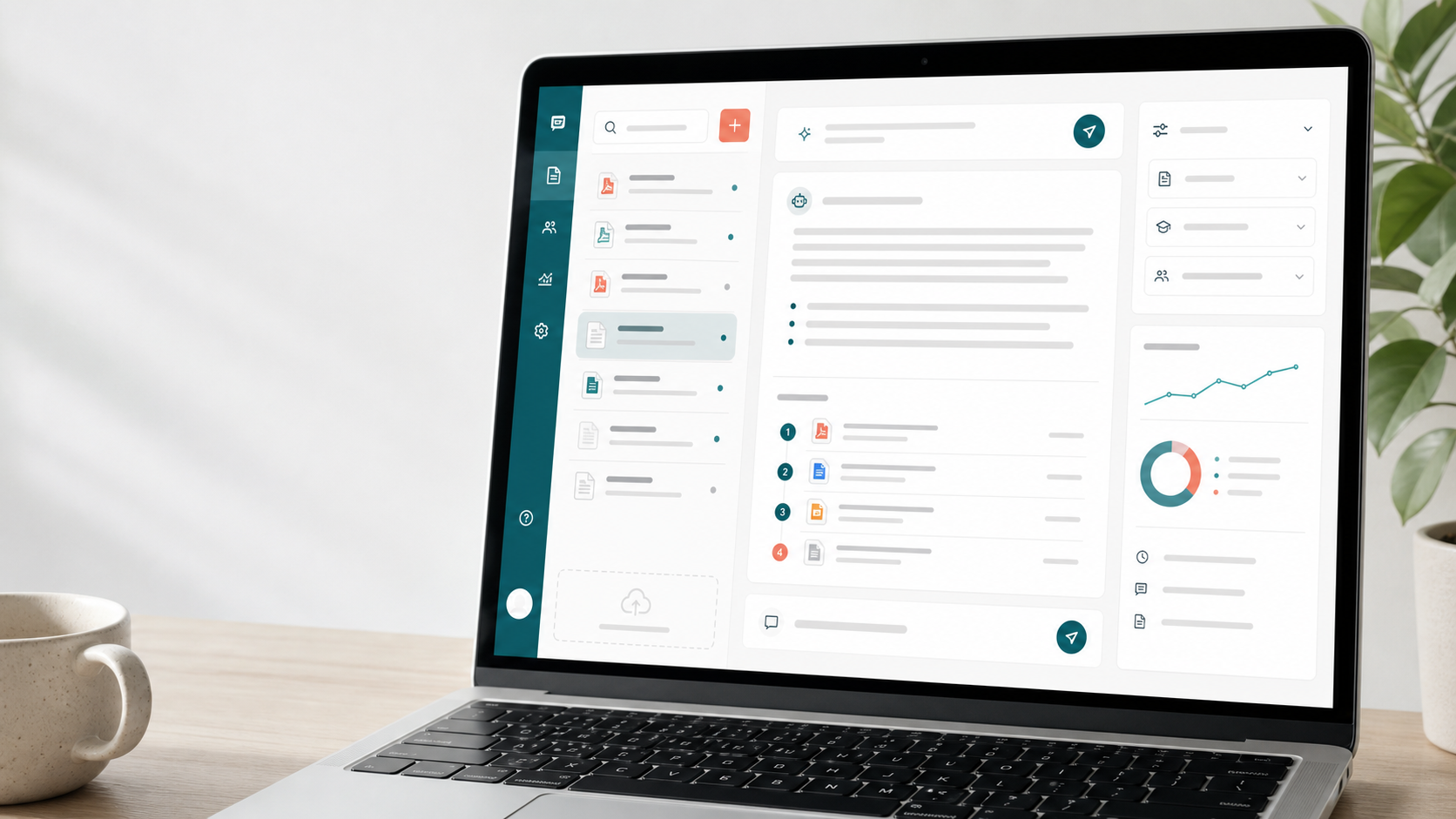
SonaMinds is not a single chatbot widget. It combines a private expert workspace, a controlled Assistant, and client-facing access so expert knowledge can be reused without exposing the source workspace.
Experts manage documents, Assistant guidance, access settings, and usage records in one private workspace.
Each Assistant acts like a controlled AI persona: it represents a defined knowledge scope, answer style, and service boundary rather than pretending to know everything.
Clients, students, members, or visitors can ask the Assistant through controlled links or entry points without seeing the expert workspace.
Questions
No. It gives expert knowledge a safer and more scalable first layer. Human judgment remains necessary for high-value, sensitive, or final professional decisions.
Yes. SonaMinds separates the expert workbench from client access through invite links, access passes, quotas, expiry dates, and public or embedded entry points.
Curated, high-signal materials work best: course notes, articles, FAQs, onboarding documents, templates, policies, transcripts, and method explanations.
Start with a focused Assistant, a curated knowledge set, and a real audience that already asks repeated questions.